Time blocks
Protect deep work with clear start and end points.

Free, practical guides on organising your workday—written for freelancers, designers, writers, and makers in New Zealand. No sign-up required.
Explore daily methods About this siteProtect deep work with clear start and end points.
Match demanding tasks to your natural rhythm.
Build weeks you can repeat, not heroic sprints.
Based in New Zealand
9 Queens Drive, Rotorua 3010
Educational purpose
Free planning guides; optional workshops with clear pricing
Clear expectations
No guaranteed income or health outcomes; see About
Freelancers often treat calendars as enemy territory—yet unstructured days quietly steal evenings. Research on attention residue shows that rapid task-switching leaves mental baggage; a 2019 University of California study found it can take over twenty minutes to regain focus after an interruption. For creatives, the goal is not militaristic scheduling but intentional containers: when you answer email, when you sketch, when you rest. New Zealand’s spread-out client base adds timezone friction; blocking “communication windows” reduces the feeling that you must always be on call. Start with three anchors—morning startup, primary creative block, shutdown ritual—and let detail grow from what you observe in a two-week journal. Note when ideas arrive and when admin feels tolerable; your plan should reflect that data, not a generic template copied from a Silicon Valley blog. When you capture a week of honest notes, patterns emerge: perhaps you underestimate revision time, or you schedule calls across peak illustration hours. Use those patterns to shorten daily to-do lists and to negotiate timelines with evidence. Pair digital calendars with a visible weekly overview so deadlines do not hide inside all-day events. If you collaborate, share your communication windows in project onboarding so feedback arrives in batches. Structure is a container for creativity, not a cage; the point is fewer surprise evenings lost to “just one more email.”
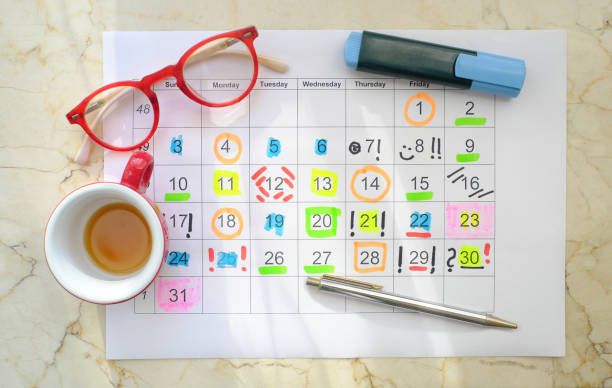
Four approaches appear repeatedly in studies of knowledge workers and in feedback from creative freelancers. None require expensive apps; each can be tested for two weeks before you commit. Combine them lightly—over-layering systems is a common reason plans collapse by Wednesday.
Assign task types to calendar segments. Treat blocks as appointments with yourself. If a block is missed, reschedule instead of abandoning the day.
Learn moreTrack alertness hourly for five weekdays. Place high-cognition work in peaks and low-stakes tasks in troughs. Revisit quarterly as seasons shift.
Learn moreShort, focused bursts with defined outputs—thumbnail sets, draft paragraphs, mood boards—reduce perfectionism loops common in open-ended projects.
Learn moreBegin the night before with a fifteen-minute preview: list three outcomes that would make tomorrow feel successful, not twelve. Morning startup (ten minutes): hydrate, scan calendar, confirm the first block. Midday checkpoint: have you spent the peak block on peak work? If not, swap afternoon admin forward and reclaim thirty minutes for priority creative work. End-of-day shutdown: capture loose threads in a single inbox note so your brain stops rehearsing tasks at dinner. Freelancers in Rotorua or working with Auckland agencies might stack client calls between 10:00 and 14:00 NZST and protect early mornings for making. Document what you shipped, not only hours logged—output clarity beats busyness. When scope creeps, negotiate block moves the same way you would move a client meeting.
“Doing more” for creatives usually means finishing meaningful artifacts, not filling time. Parkinson’s Law suggests work expands to fill allotted time—so shorter blocks with clear done-definitions can increase throughput. Try themed days: Monday finance and proposals, Tuesday–Thursday production, Friday learning and portfolio updates. Say no to same-day micro-deadlines when they fracture blocks; offer realistic alternatives tied to your visible calendar. Use a single task capture tool to avoid sticky-note sprawl. Research from the Draugiem Group (via DeskTime) noted that productive office workers took regular breaks near fifty-two minutes on, seventeen off—adapt ratios to your craft; a potter’s rhythm differs from a copywriter’s. Measure weekly: shipped drafts, sent invoices, completed revisions. If numbers stall, inspect interruptions before blaming motivation.
Clarity on what “finished” means today prevents half-done tabs from colonising tomorrow.
Working from home or shared studios in New Zealand benefits from basic ergonomic habits and tidy workspaces—not as medical advice, but as practical comfort measures that support longer creative sessions. Maintain an ergonomic setup: screen at eye level, feet flat, wrists neutral during editing. Take eye breaks every twenty minutes using the 20-20-20 rule (look twenty feet away for twenty seconds). Stand or walk between blocks. Keep walkways clear of cables; if clients visit, document hazards and exits. Manage electrical loads safely. Set communication boundaries and take short outdoor breaks during the day. If you employ others, follow WorkSafe NZ guidance for your situation. This section is general information; refer to official WorkSafe resources for legal obligations.
Join peer sessions to test planning habits in real time. All times New Zealand Standard Time (NZST). Register via our contact page if you would like a reminder email.
| Date | Event | Format |
|---|---|---|
| 12 Jun 2026 | Freelancer Morning Planning Lab | Online workshop |
| 28 Jun 2026 | Creative Energy Mapping Clinic | Hybrid (Rotorua + online) |
| 15 Jul 2026 | End-of-Week Shutdown Rituals | Online peer circle |
| 2 Aug 2026 | Quarterly Portfolio Review Day | In-person coworking |
No. Any calendar that supports events works. Paper week grids are valid. Choose the medium you will actually open at 8 a.m.
Many people start with ninety minutes plus a fifteen-minute break. Track focus quality; shorten blocks if quality drops after sixty minutes.
Publish core hours on your site and proposals. Offer booking links inside those windows. Reinforce boundaries politely and consistently.
Yes—keep one primary system and add one supporting habit, such as energy mapping alongside time blocking. Avoid adopting three new tools in one week.
Youthclearpure.world is an educational site operated from Rotorua, New Zealand. See our About page for contact details, purpose, and transparency about advertising.
No. Our guides describe planning techniques that may help organisation. Outcomes depend on your clients, workload, and circumstances. We do not promise specific income, health, or productivity results.
Pick one method from our guides, run it for ten working days, and note energy, output, and stress each Friday. Adjust one variable at a time. Sustainable planning is iterative—your week at forty will differ from your week at twenty-five, and both can be valid with the right structure.
Read balance & rest tips